

Unlocking Better Sleep: The Power Of A Simple Sleep Diary

Insomnia is a common condition characterized by significant disruptions in functions and quality of life and can lead to mental and physical health issues. The main symptoms of insomnia include difficulty falling and staying asleep, along with frequent discomfort and impairment of daytime functioning. This condition affects about 10% of the population. If you’re curious about your sleep habits, keeping a simple diary can help you notice patterns and decide whether you want to share them with a coach or clinician.
This article is undergoing validation. The latest changes were made on November 20, 2023.
How Does Insomnia Affect Health?
In the vast majority of cases, insomnia is linked to mental or somatic illnesses. Insomnia can have a significant impact on our lives. In fact, it’s a risk factor for developing depression, anxiety disorders, substance use disorders, suicidal behavior, hypertension, and diabetes1.
When we suffer from sleepless nights, it reflects in our daytime well-being. We experience fatigue as if our energy has depleted in the morning, hindering our ability to function properly. Attention and concentration decline, disrupting our ability to focus on work, studies, or interactions. If you’re facing this issue, the Epworth Sleepiness Scale is widely used in the sleep medicine field as a subjective measure of sleepiness. This scale helps determine if you’re experiencing excessive sleepiness that requires medical attention. But wait, there’s more!
Sleepless nights sometimes lead to mood changes. We become irritable, or perhaps even sad, making communication difficult and impacting our social and family life. Professional or academic tasks start to feel overwhelming because we simply can’t focus or retain necessary information.
RELATED ARTICLES
The Role of a Simple Sleep Diary
A simple sleep diary can be an invaluable tool in understanding sleep patterns, recording sleep disruptions, and identifying potential triggers. It can help you notice your own sleep patterns and discuss them with a professional if you choose.
Insomnia isn’t merely a disturbance in nightly rest; it’s a complex condition that affects mental, physical, and social aspects of life. Utilizing a simple sleep diary, along with seeking professional guidance, can be pivotal in managing and addressing the challenges posed by insomnia.
Furthermore, insomnia affects our behavior: we might become hyperactive or impulsive due to the loss of emotional control. Aggressiveness, loss of motivation, and a propensity for errors can also be outcomes of insomnia.
However, one of the key aspects of insomnia is its impact on self-perception. Lack of sleep can lead to feelings of dissatisfaction or anxiety regarding one’s own sleep, adding to the cycle of negative consequences of this condition.
Diagnosing Insomnia
According to the International Classification of Sleep Disorders (ICSD-3) for diagnosing persistent insomnia aligned with DSM-5 criteria, symptoms must be present at least 3 days per week for a minimum of 3 months2. Short-term insomnia (ICSD-3) or episodic insomnia (DSM-5) shares the same criteria as chronic insomnia but lasts less than 3 months.
Tracking nights with sleep difficulties can give you a clearer personal picture to talk about with a clinician if needed.
Lastly, if sleep problems can be entirely explained by other conditions or disorders, they may not meet diagnostic criteria for insomnia. However, it’s essential to remember that insomnia can coexist with other mental disorders, and it’s not always the sole symptom as previously believed. Even if other disorders are the primary source, if insomnia is significant, medical practice should consider it as a separate, accompanying disorder necessitating its clinical intervention.
Current Sleep History
Analyzing the current sleep pattern plays a pivotal role in confirming the diagnosis and determining the best treatment for insomnia. This involves examining the sleep-wake schedule, sleep routines, nocturnal habits, and daytime activity. Let’s delve deeper into these aspects.
Providing the doctor with a detailed report on sleep onset, frequency of awakenings, wake-up times in the morning, and time spent out of bed is crucial. Wearable gadgets can log basic sleep trends, though they’re not the same as professional assessments. Nevertheless, for observing trends (whether you slept more compared to previous periods), these devices can be quite suitable.
Furthermore, it’s essential to inform the doctor about what happens when you can’t fall asleep or when you wake up. For instance, certain post-awakening habits, like snacking or watching TV, might negatively impact sleep quality. Engaging in such activities during wakefulness might not promote improved sleep and could create irregular wakefulness rhythms. Discussing these behaviors with the doctor is important as it provides crucial information for proper evaluation.
While the sleep-wake schedule is important, it’s not sufficient for a definitive diagnosis. The doctor also requires your subjective perception of sleep quality, hence the importance of maintaining a sleep diary for more accurate information. Let’s explore the necessary information for a proper assessment of sleep quality.
Sleep Diary
We’ve discussed how collecting data on the frequency of insomnia episodes plays a crucial role in diagnosing and treating this disorder. Keeping a personal sleep diary for two weeks can help you notice how bedtime routines affect how you feel and, if desired, share high-level trends with someone supporting your wellness journey. Occasionally, data on sedative and alcohol consumption are also important.
A good sleep diary should encompass the following parameters:
- Time spent in bed.
- Time taken to fall asleep.
- Duration of sleep.
- Number and duration of awakenings.
- Final wake-up time.
- Perceived sleep quality.
- Comments.
While filling out a diary might seem laborious to some, some of these parameters can be effectively captured by smartwatches and trackers. This means that only a few additional parameters need to be added. A convenient approach could involve combining tracker data with personal observations. This way, you gather the most reliable information about sleep quality.
There are two reasons why relying solely on tracker data might be insufficient. If the aim is to provide information to the doctor, they probably won’t use raw data from smart devices for diagnosis. Firstly, it’s inconvenient. The volume of information is often presented graphically, making it unclear when insomnia episodes occurred and when they didn’t, a gap that is seldom filled in such trackers. Secondly, your doctor is likely to question the accuracy of your device’s sleep assessment. Data from limited studies suggest that some of these devices inaccurately reflect sleep structure. They tend to overestimate sleep duration in healthy sleepers and with greater error in patients with insomnia3. Hence, maintaining control over data collection is essential, verifying and correcting them when the representation becomes inaccurate. It’s beneficial to input processed and verified data into a sleep diary that would be convenient for your doctor to work with.
Follow us on Facebook|| Instagram || Telegram || Youtube
How to Utilize a Simple Sleep Diary?
Let’s explore how technology can highlight sleep trends, support discussions with wellness partners, and track your personal progress. Firstly, it’s important to determine if sleep issues fall under the diagnosis of insomnia. As mentioned earlier, having at least 3 episodes of insomnia for a minimum of 3 months is necessary. You can note bad-sleep nights in the app to spot personal patterns. You can use the Healsens wellness card to note nights when sleep felt off and reflect on how those patterns change over time, without diagnostic labeling. This isn’t yet a sleep diary, so instead of daily data entries, simply noting the occurrence of insomnia is sufficient, which, of course, is a far less labor-intensive task and takes less than a minute of your time.
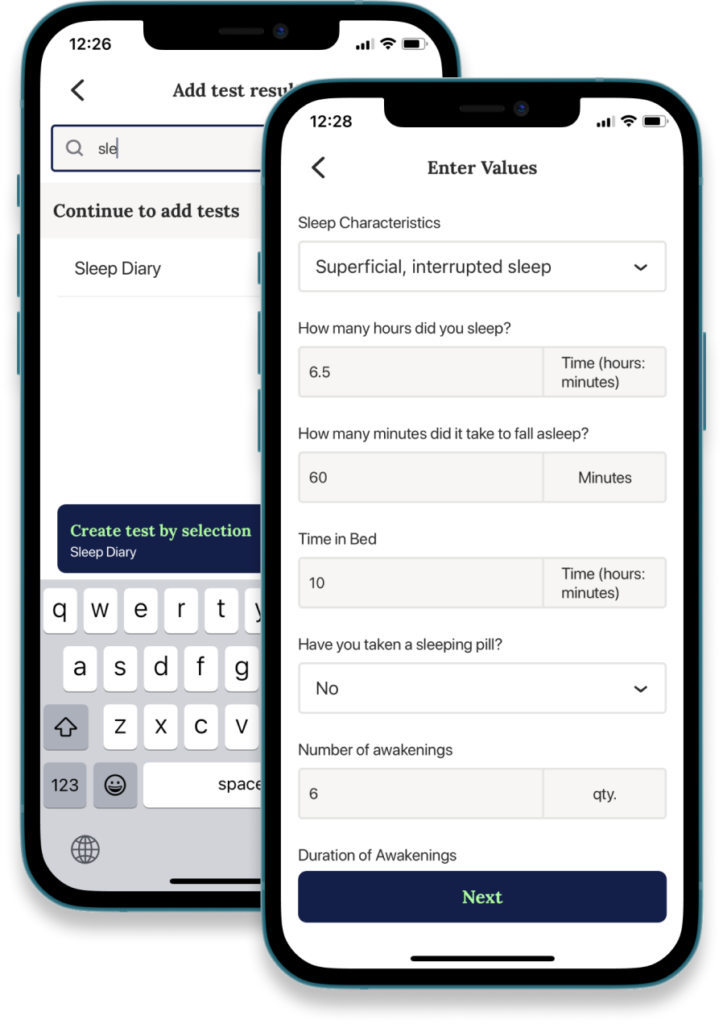
Although you’re likely aware of the importance of creating a conducive sleep environment, let’s reiterate that maintaining darkness, quietness, and coolness in the bedroom is crucial. It’s advisable not to go to bed if you don’t feel sleepy before bedtime. Additionally, waking up at the same time every morning for seven days a week and getting out of bed within 10-15 minutes after waking up is essential. Spending excessive time in bed is also crucial to avoid. Even though it might seem reasonable to catch a few extra winks, prolonged time in bed leads to a paradoxical effect – a conditioned arousal and fragmented sleep. The goal is to reduce time spent in bed.
This is where a sleep diary can come to the rescue. Search for a sleep diary, and after waking up, note how many hours you spent in bed and how much of that time you actually slept. For instance, if your diary shows that your total sleep time is 6 hours, and your time in bed is 9 hours (sleep time at 9:00 PM and waking time at 6:00 AM), then set a new sleep schedule to reduce time in bed. For example, you could set a bedtime of midnight and a waking time of 6:00 AM. If you’re using an app, you can set goals related to these sleep characteristics. This way, you’ll easily monitor how many times during that period you’ve achieved your set goal.
“Your notes can help you have a more informed conversation with your doctor.”
“Keep noting your sleep so you can see how your habits change over time.” This not only allows you to monitor progress but also provides crucial information for adjusting therapeutic measures in the future.
FURTHER READING
Source: ©️2019 Healsens B.V. All right reserved
- The assessment and management of insomnia: an update
- The assessment and management of insomnia: an update
- Consumer Sleep Technologies: A Review of the Landscape